


Product Infeed & Support
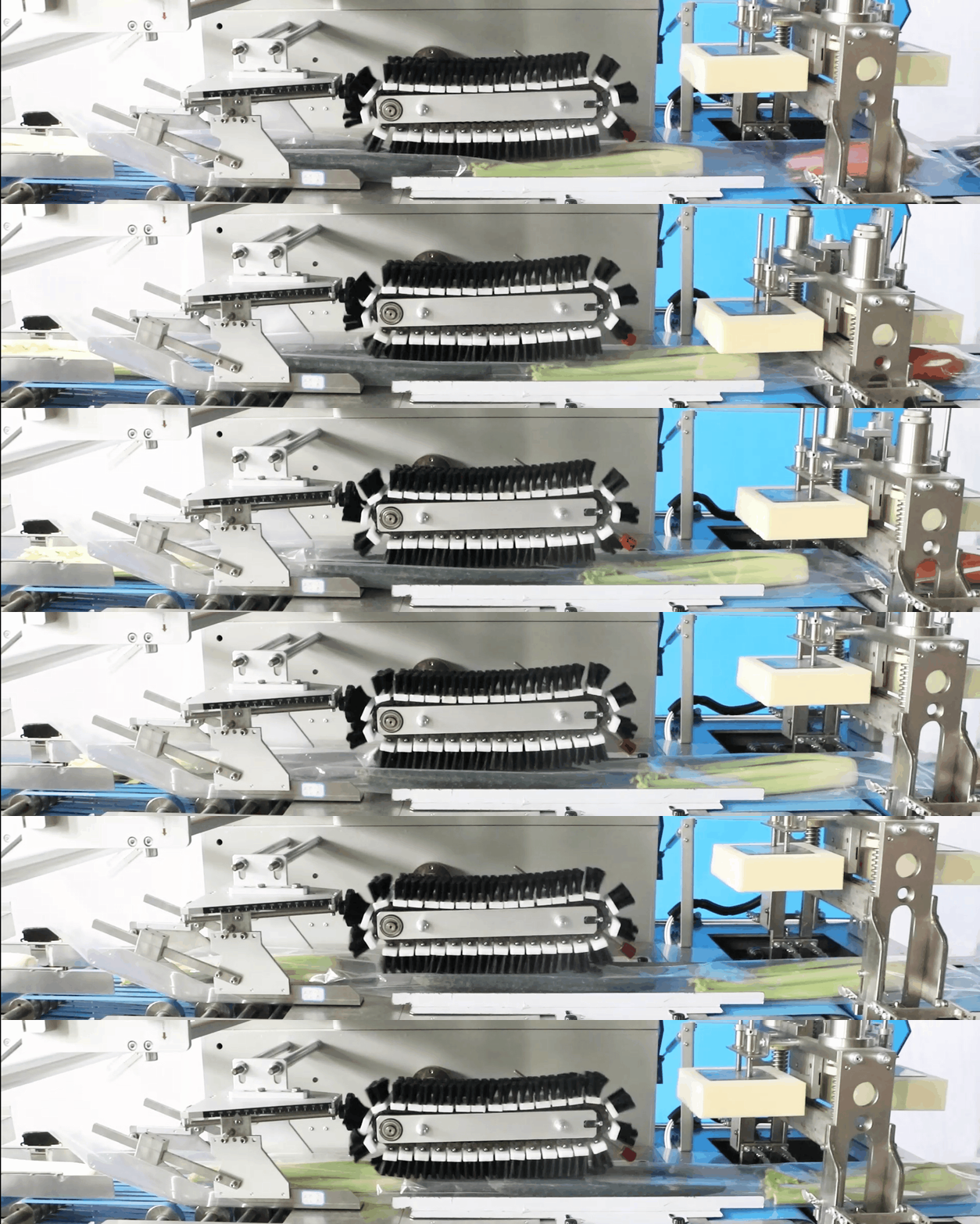
Assess manual placement or automatic feeding, product spacing and conveyor support for your product shape and handling needs.
HORIZONTAL FLOW WRAPPING & CUSTOMIZED PACKAGING SOLUTIONS
Explore ZONESUN horizontal flow wrapping machines for forming film around products and sealing individual pillow-style packs. Match product dimensions, feeding arrangements and compatible packaging film to your required output, with standalone operation or line integration assessed for your workflow.
Define product size, shape, orientation and support needs for suitable infeed and spacing.
Match film material, thickness, roll width and printed-film requirements to the selected model.
Assess bag dimensions, longitudinal and end seals, and cutting clearance with actual samples.
Coordinate feeding, wrapping cycles and downstream handling around your packaging workflow.
CHOOSE YOUR FLOW WRAPPING SETUP
Match product presentation, film handling and sealing to the pack you need.
Assess manual placement or automatic feeding, product spacing and conveyor support for your product shape and handling needs.
Confirm the film-feed arrangement, forming dimensions and supported roll format. Provide printed-film details where relevant.
Match longitudinal and end sealing to the film and output. Confirm available sensing, controls and optional functions for the model.
Automatic wrapping does not necessarily include automatic product sorting or feeding. Confirm infeed equipment, print registration, coding and other options in the proposed scope.
PRODUCTS & PACKAGING APPLICATIONS
Use actual products, film and finished-pack samples to assess feeding, support and sealing.
Share product dimensions, fragility and surface condition. Assess food-contact requirements, feeding and seal clearance.
Provide the loaded tray size and weight. Check film forming, conveyor transfer and end-seal space.
Include product shape, surface finish and any protective support. Assess pack presentation and handling marks.
Define orientation and desired bag size. Confirm forming clearance and film coverage around the item.
Specify item length, quantity per pack and arrangement. Assess dedicated feeding or grouping requirements.
For bubble film or other specialist materials, select a model designed for the specified film and confirm the sealing process.
Application suitability is model-specific. Irregular, soft or easily damaged products may need dedicated support, trays or feeding arrangements.
FROM ROLL FILM TO FINISHED PILLOW PACK
A typical process coordinates product spacing, film forming and sealing without a separate shrink stage.
Present products in the required orientation and spacing on the infeed.
Unwind compatible roll film and form it around the product using the selected forming arrangement.
Form the longitudinal seal and end seals, then separate individual packs using the configured cycle.
Check seal condition, bag size and product position before downstream handling.
The exact sequence depends on the model and film. Coding, gas flushing, automatic inspection and rejection require confirmed equipment options.
KEY SELECTION POINTS
Provide these six details to assess feeding, film compatibility and practical output.
Share length, width, height, weight and size variation. Describe fragility, stickiness and support requirements.
Provide film structure, thickness, width, roll diameter and core size. Confirm the sealing layer and model compatibility.
Define finished bag dimensions, seal locations and required pack performance. Provide finished-pack samples where possible.
Share artwork repeat length and registration-mark details. Confirm supported sensing and print alignment for the selected model.
State packs per minute or hour, products per pack and SKU changes. Include manual or automatic feeding capacity.
Provide available space, conveyor heights, power and any air requirements. List film and product-format changes.
AUTOMATED PACKAGING & CUSTOMIZED SOLUTIONS
Coordinate product presentation, wrapping and downstream packing around your production process.
Review product discharge, orientation and readiness for wrapping. Define the transfer from existing equipment.
Assess suitable guides, conveyors and grouping devices. Confirm the operator tasks and automatic-feeding scope.
Match film feed and product spacing to the sealing cycle. Evaluate seals at the proposed operating conditions.
Define dates, batch codes, print checks and seal inspection where needed. Confirm compatible additional equipment.
Plan finished-pack orientation, counting and transfer into retail cartons or shipping cases where required.
Review representative products and film. Assess change parts, film threading, service access and restart checks.
HORIZONTAL FLOW WRAPPING FAQ
CUSTOM FLOW WRAPPING SOLUTION
Share your products, packaging film and production requirements. ZONESUN can help assess feeding, forming, sealing and line-integration options for your packaging workflow.
Helpful details: product samples · bag dimensions · film specifications · print requirements · target output · line layout